
Why this film?
Why did we make this film?
Because these are great stories
Because these great stories are powerful
Because this power can inspire others
Because education is life-changing
Because kids need to see people like them reflected in the media
Because young people need hope that there is a good future for them.
American Nightmare/American Dream tells the raw, emotional struggles and triumphs of four women who break down all barriers to escape poverty, get a college degree, and pave the road for others to follow. This is a character-driven documentary from two experienced filmmakers. The preview of the doc has already been vetted by education professionals who have pronounced it effective in inspiring young people –because they can identify with the people and situations portrayed in these powerful stories. Above all this is a story about the power of education. They (and we) believe that the film can increase the number of underserved people who get a college degree or post-high school career training (and even start to change the stigma around poverty).
Our characters must fight not only poverty but eviction, incarceration, domestic violence and homelessness to attain their goals – their successes give the lie to the negative stereotypes of people on public assistance. Leyla, formerly-incarcerated, graduated from Columbia University and is now a Soros Justice Fellow. Shawnta is now graduated from Hunter College and working with young people via the New York City Police department. Hirah, Pakistani-born, had lived in a homeless shelter but now has a PhD from UAlbany and is a Research Scientist for the NY State Office of People with Developmental Disability (OPWDD). Becca, born to a mentally ill mother on welfare, suffered early abuse but overcame those problems to graduate from CUNY and is now at Brooklyn Law School.
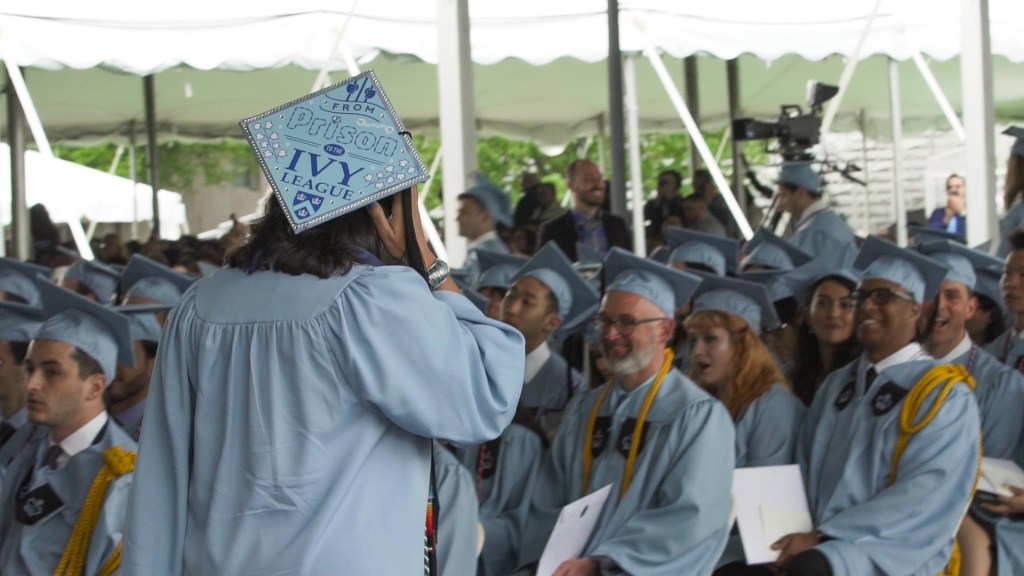
The four amazing women who are the film’s characters started out on welfare, had to fight the welfare bureaucracy, the stigma and constraints of poverty, and a system that vilifies them to achieve their successes — and now with their degrees they are helping others to follow their path. They are role models for low-income and people of color who are searching for a path out of poverty. Since “you gotta see it to be it”, we want to widely distribute this documentary to give others positive role models, engage audiences in these critical issues, and dispel negative stereotypes about poor people.
What Drives Us?
If you’ve read this far down – you may already know! It’s our passion to tell these great stories that will make a difference to young people. With this documentary we can help dispel the negative stereotypes that shame, blame, and discourage poor people and people on welfare. We can replace those stereotypes with real people and real models for success –people who were formerly poor and on welfare and who have used a college degree to create lives of economic security and they’re committed to helping others achieve the same.
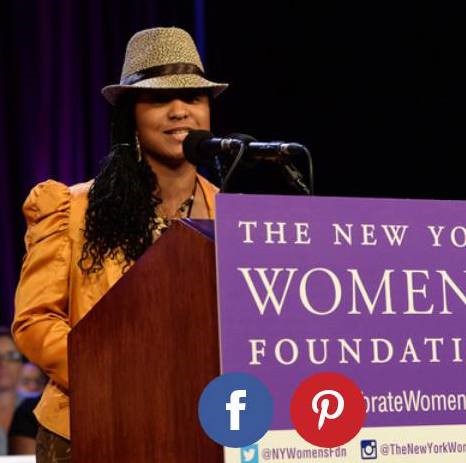
Shawnta uses her story to inspire others!
Leyla tells her story at the Criminal Justice forum in the White House.
Why Now?
We’ve known for a very long time that education is a sure route out of poverty. Whether that’s training in a trade or a skill or a college degree; education is what’s needed to prepare young people for a secure future.
Right now over 46 million Americans live in poverty and the Republican Party wants to raise the baseline income level for “poverty” so that number will rise! While the causes are numerous, there is a clear correlation between education level and poverty. Did you know that more US jobs now require a college degree than a high school diploma? Lack of a college degree is one of the strongest indicators of poverty. But there is hope. According to a Report funded by the Ford Foundation, 90% of women on welfare, who earn a four-year college degree, permanently leave public assistance. 90% – Wow, that’s an amazing outcome – show us another program that has that level of success!
Given the Republican Party’s plans to gut the welfare and food stamp programs, access to education needs to be encouraged – urgently! its clear benefits revealed, and a path for low-income people illuminated.
Through education our four characters radically changed their lives and the lives of their children and families and now live financially secure, self-determined lives. By telling these inspiring stories, low-income people will see people like themselves and understand that this path out of poverty, though often difficult, is achievable, and yields lasting results. Our film will motivate people to get a college degree or post-high school training — and begin to shift the narrative about people on welfare.
 "American Nightmare / American Dream"